Imagine your daily commute as a flowing river. Instead of battling strong currents, you glide effortlessly, reaching your destination without the usual struggle. This is the promise of conveniently located apartments along the 321Transit bus line. This article will explore the discernible benefits and practical considerations for those seeking a dwelling unit with direct access to this vital public transportation artery. We will delve into the logistical advantages, the specific neighborhoods served, and the broader implications for urban living, presenting a factual overview devoid of hyperbole.
The 321Transit bus line serves as a central circulatory system for a significant portion of the urban fabric. Dwelling units situated within a short walking distance of its designated stops offer a tangible advantage, transforming the daily commute from a potential source of friction into a seamless aspect of one’s routine. This proximity extends beyond mere convenience, impacting various facets of daily life, from economic expenditure to environmental footprint.
Reduced Transportation Costs
The most immediate and quantifiable benefit of living in close proximity to the 321Transit line is the potential for substantial reductions in transportation expenses. Ownership and maintenance of a private vehicle represent a considerable financial outlay, encompassing fuel, insurance premiums, vehicle depreciation, parking fees, and unexpected repair costs.
- Fuel Savings: For individuals commuting by private vehicle, fuel costs represent a recurring and often escalating expense. By utilizing public transit, this expenditure is either entirely eliminated or significantly reduced, a direct transfer of resources back into the household budget.
- Insurance Premiums: Auto insurance rates are often influenced by the number of miles driven and the perceived risk associated with a particular vehicle’s usage pattern. A reduced reliance on a private car for daily commutes can, in some instances, lead to lower insurance premiums.
- Parking Fees: Urban centers are often characterized by high demand for parking, leading to exorbitant fees for both daily and monthly parking permits. Living near 321Transit can negate the need for paid parking at one’s workplace or at recreational destinations along the bus route.
- Vehicle Maintenance and Depreciation: Every mile driven on a private vehicle contributes to wear and tear, necessitating regular maintenance and ultimately accelerating depreciation. Minimizing vehicle usage through public transit can extend the lifespan of a private automobile and preserve its resale value.
Enhanced Time Efficiency
Time, often considered the most precious commodity, is frequently eroded by the inefficiencies of urban traffic congestion. The 321Transit line, with its dedicated routes and often priority lane access where applicable, offers a more predictable and often faster alternative to navigating congested roadways.
- Predictable Commute Times: Unlike the unpredictable nature of traffic, bus schedules, while subject to unforeseen circumstances, generally adhere to a published timetable. This allows individuals to plan their commutes with greater precision, reducing stress and increasing reliability.
- Reduced Commute Stress: The act of driving in heavy traffic can be a source of significant psychological stress, contributing to fatigue and decreased productivity. Public transit allows for a more passive form of travel, affording individuals the opportunity to read, work, or simply relax during their commute.
- Multitasking Opportunities: The hands-free nature of bus travel frees up mental and physical resources that would otherwise be dedicated to operating a vehicle. This enables passengers to engage in productive activities such as responding to emails, organizing schedules, or consuming educational content, effectively transforming commute time into productive time.
Sustainable Living Practices
The increasing imperative for environmental stewardship has shifted societal perspectives toward more sustainable living choices. Opting for public transportation, particularly for daily commutes, aligns directly with these values.
- Reduced Carbon Footprint: Each individual who chooses public transit over a private vehicle contributes to a collective reduction in greenhouse gas emissions. A single bus can transport numerous individuals, effectively removing multiple private vehicles from the road and proportionally decreasing the overall carbon footprint.
- Decreased Traffic Congestion: Fewer private vehicles on the road translate directly to reduced traffic congestion. This, in turn, lessens idling times for remaining vehicles, contributing further to cleaner air and more efficient urban mobility.
- Promotion of Active Transportation: Proximity to bus stops often encourages walking or cycling for the initial and final legs of a journey, promoting physical activity and further reducing reliance on carbon-intensive modes of transport. This synergistic relationship fosters a healthier and more environmentally conscious lifestyle.
Navigating the 321 Transit Corridor: Neighborhoods and Amenities
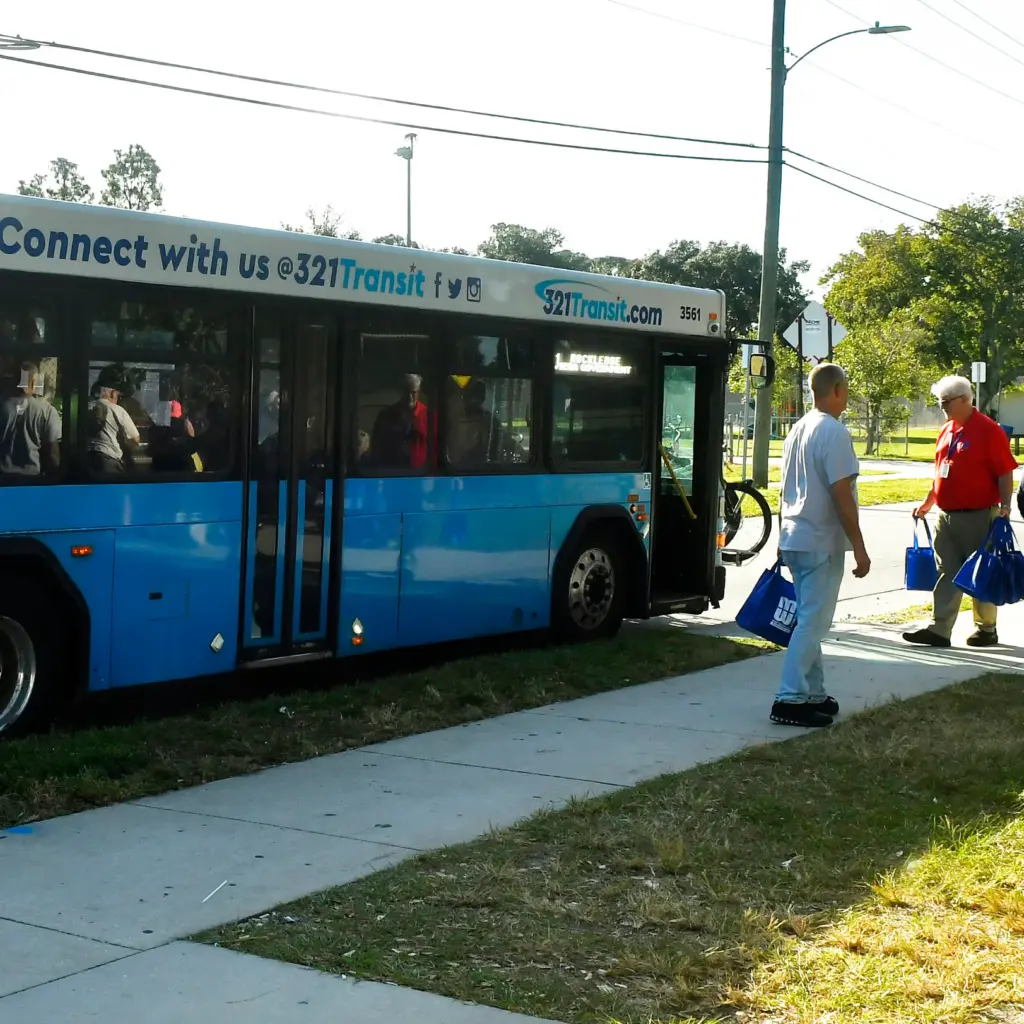
The 321Transit bus line is more than a mere transportation route; it acts as a connective tissue, linking diverse neighborhoods and providing access to a spectrum of amenities. Understanding the specific characteristics of these areas is crucial for prospective residents seeking an apartment along this corridor.
Urban Core and Downtown Access
The 321Transit line frequently traverses an urban core, offering direct access to the vibrant heart of the city. This segment of the route is often characterized by a high density of commercial enterprises, cultural institutions, and educational facilities.
- Employment Hubs: Downtown areas typically house a significant concentration of corporate offices, government agencies, and small businesses, providing a rich array of employment opportunities. Living along 321Transit facilitates a direct and efficient commute to these key economic centers.
- Cultural and Entertainment Venues: The urban core is often a nexus of cultural activity, boasting theaters, museums, art galleries, and live music venues. Proximity to 321Transit allows residents to easily engage with these offerings without the complexities of urban driving and parking.
- Educational Institutions: Many cities have universities, colleges, and specialized training centers situated within or adjacent to their downtown areas. Students and faculty living along the 321Transit line can benefit from convenient access to these academic establishments.
Residential Enclaves and Suburban Connections
Beyond the downtown core, the 321Transit line extends into a variety of residential enclaves and, in some instances, connects with more suburban areas. These sections of the route often offer a different residential experience, balancing accessibility with a potentially quieter environment.
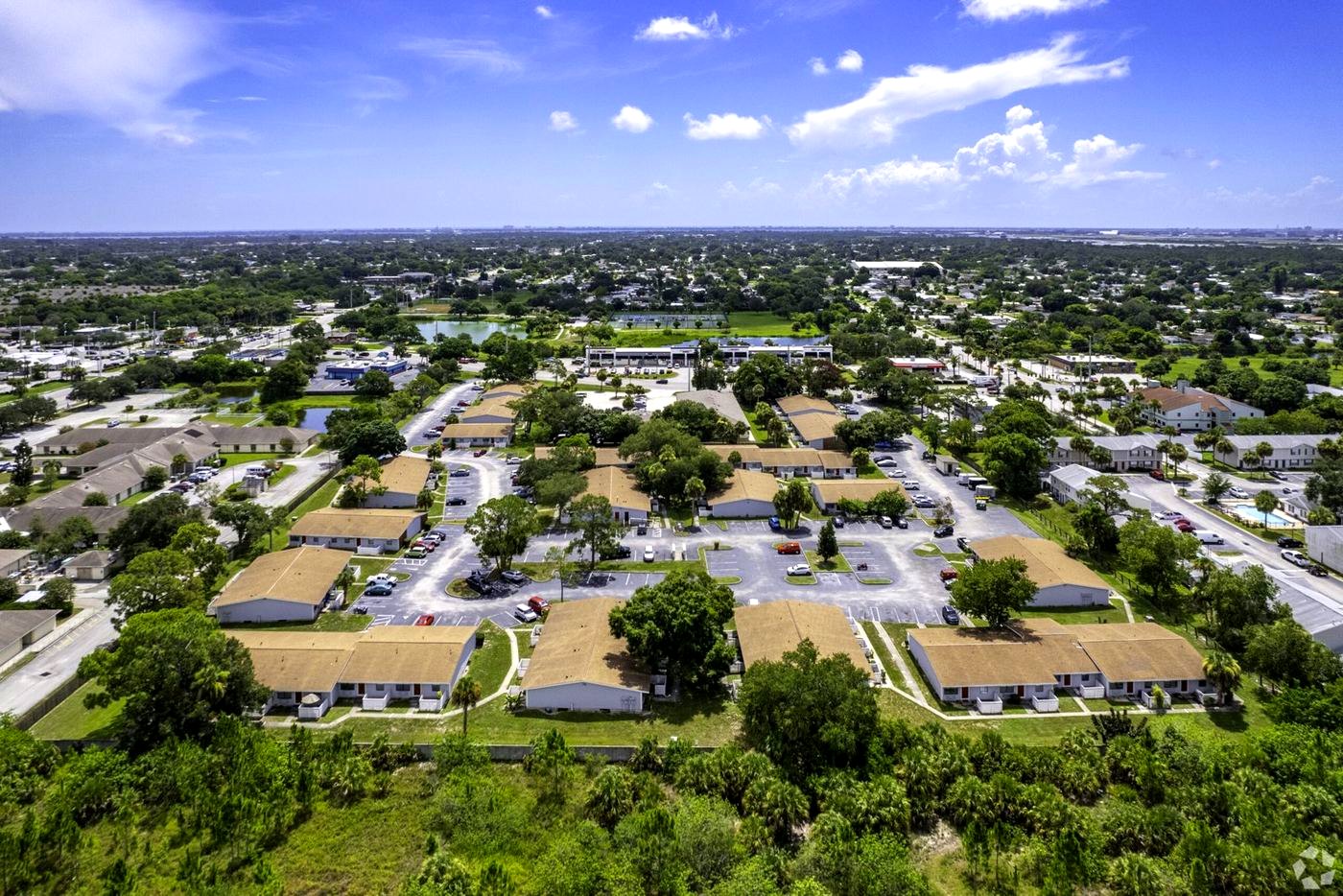
- Diverse Housing Stock: As the bus route extends, the housing stock tends to diversify, offering a wider range of apartment configurations, from high-rise units in denser areas to garden apartments or smaller complexes in more residential zones.
- Local Parks and Green Spaces: Many residential neighborhoods along the 321Transit line are well-served by local parks, community gardens, and recreational facilities. These amenities provide opportunities for outdoor recreation, community engagement, and a respite from the urban bustle.
- Community-Specific Services: These residential areas often contain smaller, localized commercial centers providing essential services such as grocery stores, pharmacies, local eateries, and community centers, catering to the daily needs of residents.
Access to Essential Services and Retail
Irrespective of its specific geographical segment, the 321Transit line is designed to facilitate access to a comprehensive array of essential services and retail opportunities, fulfilling the practical requirements of daily life.
- Grocery and Supermarkets: A crucial consideration for any resident is convenient access to grocery stores. The 321Transit route is typically planned to pass by or near major supermarkets and smaller grocery outlets, ensuring residents can efficiently procure their household necessities.
- Healthcare Facilities: The bus line often connects to medical centers, clinics, and pharmacies, providing vital access to healthcare services for all residents, including those who may not own a private vehicle.
- Retail and Dining Options: Beyond daily essentials, the 321Transit corridor invariably features a plethora of retail establishments, from boutique shops to larger shopping centers, as well as a diverse selection of dining options, catering to a wide range of tastes and preferences.
FAQs
What areas do the apartments near the 321 Transit Bus Line typically cover?
Apartments near the 321 Transit Bus Line are usually located along the route serviced by this bus line, which may include various neighborhoods and commercial areas connected by the transit system.
How convenient is public transportation access for residents living near the 321 Transit Bus Line?
Residents living near the 321 Transit Bus Line generally have easy access to public transportation, allowing for convenient travel to work, school, shopping centers, and other destinations along the bus route.
Are there any amenities commonly found in apartments near the 321 Transit Bus Line?
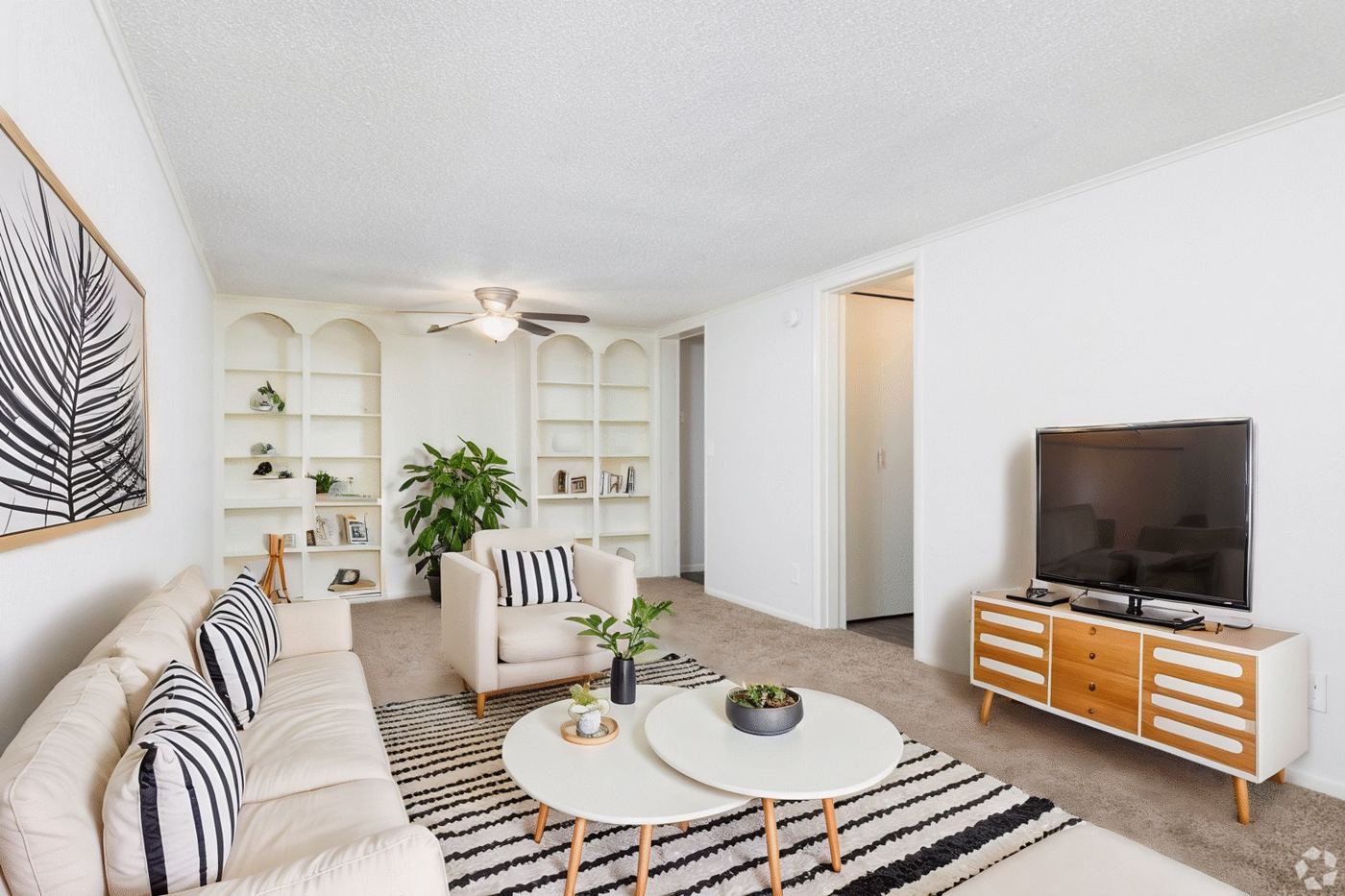
Apartments near the 321 Transit Bus Line often feature amenities such as on-site parking, laundry facilities, and proximity to grocery stores, restaurants, and parks, enhancing the convenience for residents.
Is parking typically available for residents in apartments near the 321 Transit Bus Line?
Parking availability varies by apartment complex, but many apartments near the 321 Transit Bus Line offer designated parking spaces or garages to accommodate residents who own vehicles.
How can I find available apartments near the 321 Transit Bus Line?
You can find available apartments near the 321 Transit Bus Line by using online apartment search platforms, contacting local real estate agents, or visiting property management offices in the areas served by the bus line.