Retire to the Coast: The Accessibility Benefits of Zero-Stair Floor Plans
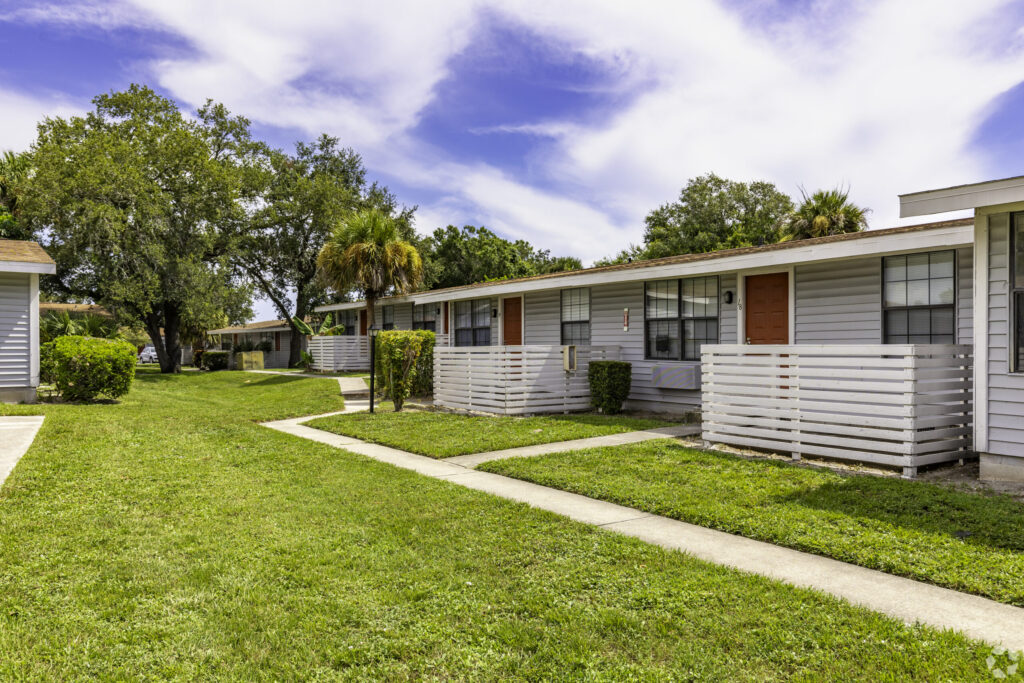
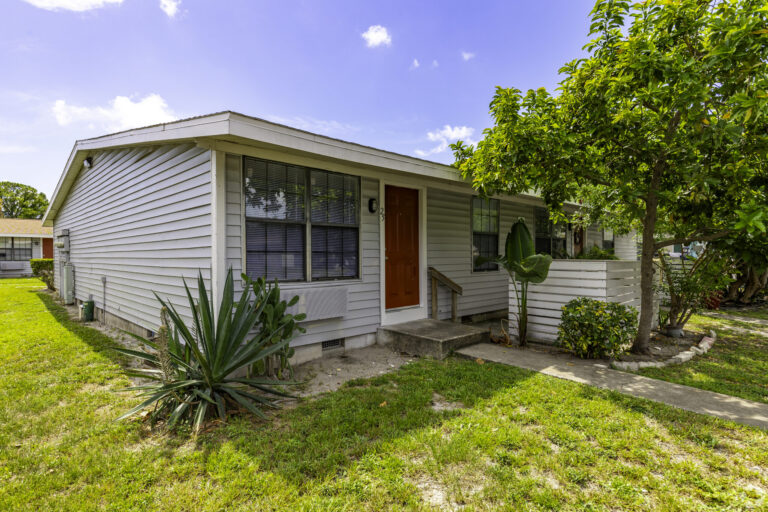
The demographic landscape of Melbourne, like many developed global cities, is undergoing a significant transformation. A progressively aging population, coupled with evolving lifestyle preferences, is increasing demand for housing solutions specifically tailored to the needs of seniors. Among these, ground-level living emerges as a practical and increasingly sought-after option. This article explores the multifaceted advantages of ground-level living for seniors in Melbourne, delving into its practical benefits, accessibility considerations, financial implications, and the various dwelling types available. We will analyze how this residential choice addresses key concerns related to mobility, safety, and long-term well-being, providing a comprehensive overview for individuals and families navigating the complexities of elder care and housing.
The Imperative of Accessibility and Mobility
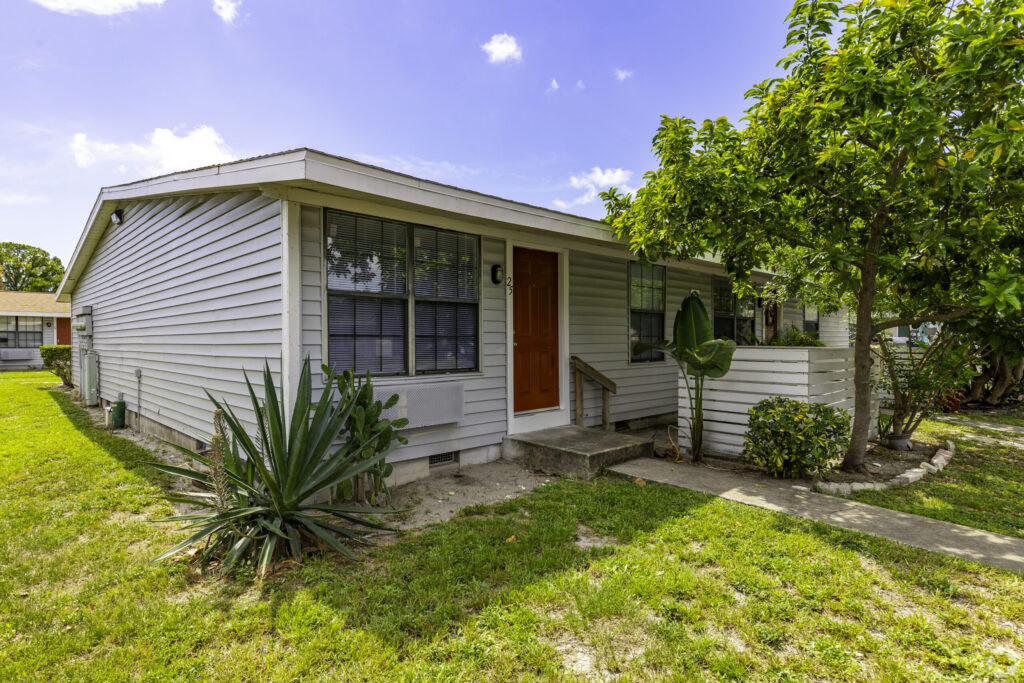
For many seniors, the physical demands of multi-story dwellings become a significant barrier to independent living. Stairs, in particular, can transform from benign architectural features into formidable obstacles, a metaphorical climb towards diminishing autonomy. Ground-level living, by its very definition, eliminates this persistent challenge, offering a seamless and unhindered environment.
Eliminating Stair-Related Hazards
Stairs are a primary source of household accidents for seniors. According to data from the Australian Institute of Health and Welfare (AIHW), falls are a leading cause of injury-related hospitalisation among older Australians. A significant proportion of these falls occur within the home, with stairs being a commonly cited factor. Ground-level residences mitigate this risk entirely, creating a safer living space where pathways are continuous and unwavering. This fundamental design consideration provides a bedrock of safety, allowing residents to navigate their homes with increased confidence and reduced anxiety. The psychological impact of removing this persistent hazard should not be underestimated; it fosters a sense of security that directly contributes to improved quality of life.
Facilitating Future Mobility Needs
The trajectory of aging often involves a gradual decline in mobility, which may necessitate assistive devices such as walkers, wheelchairs, or mobility scooters. Multi-story homes are inherently ill-suited to accommodate these aids, often requiring costly and disruptive modifications like stairlifts or even home elevators. Ground-level properties, conversely, are inherently adaptable. Their single-floor layout readily accommodates wider doorways, ramp access where necessary, and the unimpeded movement of mobility aids. This foresight in housing choice acts as a preventative measure, ensuring that the home remains functional and accessible even as personal mobility needs evolve. It is akin to building a bridge before the river widens, securing future access.
Enhanced Outdoor Access and Engagement
Ground-level living typically provides direct and easy access to outdoor spaces, such as gardens, courtyards, or patios. This is not merely an aesthetic advantage but a critical component of senior well-being. Regular exposure to natural light and fresh air has been demonstrably linked to improved mood, cognitive function, and sleep patterns. For individuals with mobility challenges, navigating steps or lifts to reach an outdoor area can be a considerable deterrent. Ground-level access transforms these spaces into readily available extensions of the living environment, encouraging gardening, social interaction, or simply quiet contemplation amidst nature. This direct connection to the outdoors promotes a more active and engaged lifestyle, acting as a natural antidote to the isolation that can sometimes accompany age.
Design Considerations for Optimal Senior Living
Beyond the fundamental advantage of no stairs, the optimal ground-level dwelling for seniors incorporates specific design elements that further enhance comfort, safety, and independence. These considerations move beyond mere accessibility to embrace a holistic approach to senior-friendly architecture.
Universal Design Principles
The concept of universal design is paramount in creating truly senior-friendly environments. This philosophy champions the creation of spaces that are usable by all people, to the greatest extent possible, without the need for adaptation or specialized design. In a ground-level context, this translates to features such as lever-style door handles, rocker-style light switches, easy-to-reach power outlets, and tactile flooring transitions. These seemingly minor details collectively contribute to a home that is intuitive and comfortable to navigate, reducing strain and frustration. Think of it as a finely tuned instrument, easy for any hand to play.
Bathroom and Kitchen Modifications
Bathrooms and kitchens are areas of particular concern for seniors, often presenting unique challenges. Ground-level homes designed for older adults frequently incorporate modifications such as walk-in or roll-in showers, grab bars strategically placed near toilets and in shower areas, and elevated toilet seats. In kitchens, considerations include adjustable height countertops, pull-out shelving, and easily accessible appliances. These modifications are not merely reactive but are proactive measures embedded in the design, ensuring that essential daily activities can be performed safely and independently. This proactive approach minimizes the need for costly retrofits later, offering a future-proof living solution.
Open-Plan Layouts and Visibility
Open-plan living spaces are often lauded for their aesthetic appeal, but for seniors, they offer practical benefits related to navigation and safety. Unobstructed sightlines reduce the risk of collisions and create a feeling of spaciousness, which can be particularly advantageous for individuals using mobility aids. Furthermore, open layouts can facilitate supervision or assistance if needed, without compromising individual privacy. The absence of numerous walls and cramped corridors transforms the home into a flowing, adaptable environment, like a gentle current guiding movement.
Financial Aspects and Long-Term Value
The financial implications of housing choices are a significant factor for any demographic, and seniors are no exception. While ground-level living might initially present certain cost considerations, it often proves to be a sound long-term investment when viewed through the lens of ongoing expenses and potential future needs.
Initial Purchase Price vs. Long-Term Savings
In some Melbourne suburbs, particularly those with high demand for accessible properties, ground-level homes may command a premium initially. However, this initial outlay must be weighed against potential long-term savings. The absence of stairs significantly reduces the likelihood of falls, thereby decreasing medical expenses and potential care costs. Furthermore, the inherent adaptability of ground-level homes often negates the need for expensive future renovations, such as installing stairlifts or undertaking significant structural modifications to accommodate changing mobility requirements. This initial investment in accessibility becomes a strategic preventative measure against a cascade of future expenditures, acting as a financial bulwark.
Maintenance and Energy Efficiency
Single-story dwellings generally present fewer exterior maintenance challenges compared to multi-story properties, particularly concerning roof repair or facade cleaning, which often require extensive scaffolding or specialized equipment. From an energy efficiency perspective, ground-level homes can be inherently more efficient to heat and cool, as heat naturally rises and the overall thermal envelope is often simpler to manage. This translates to lower utility bills, a tangible financial benefit that contributes to a more sustainable and affordable lifestyle in retirement.
Resale Value and Market Appeal
As the senior demographic continues to expand, the market demand for accessible, single-level properties is projected to grow accordingly. This escalating demand contributes to strong resale value, making ground-level living an attractive investment. Properties that are thoughtfully designed to accommodate aging-in-place principles are likely to appeal to a broad buyer base, ensuring liquidity and capital appreciation. This foresight in property selection positions the asset favourably within a discerning market, securing future financial flexibility.
Diverse Ground-Level Dwelling Types in Melbourne
Melbourne offers a variety of ground-level housing options catering to diverse preferences, budgets, and lifestyle needs. Understanding these distinctions is crucial for making an informed decision.
Traditional Single-Family Homes
The quintessential ground-level option, traditional single-family homes, offer privacy, often larger land sizes, and the greatest degree of autonomy. These can range from detached bungalows to sprawling ranch-style properties in established suburban areas. While they may require maintenance of both the interior and exterior, they provide ample space for hobbies, guests, and the flexibility to personalise the living environment extensively. This offers a canvas for continued independent living, painting one’s retirement portrait without architectural constraints.
Townhouses and Villas
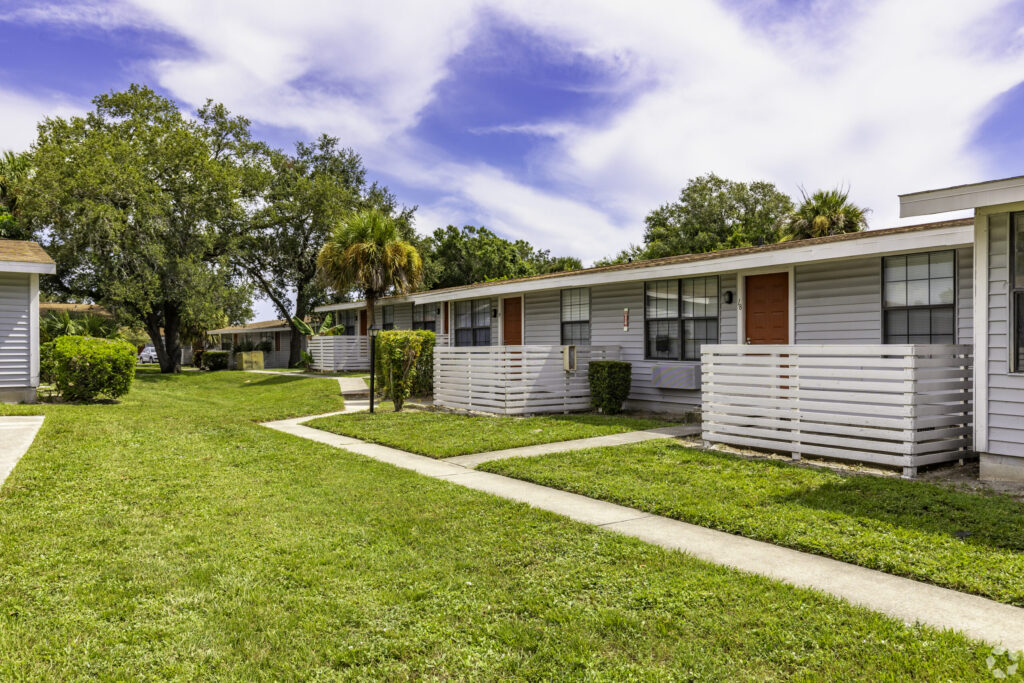
Often part of smaller, boutique developments, ground-level townhouses and villas typically offer a balance between independent living and reduced maintenance. They generally feature smaller footprints and shared common areas, which can foster a sense of community. Exterior maintenance, such as gardening and communal area upkeep, is frequently managed by an owners’ corporation, reducing the burden on individual residents. This provides a ‘best of both worlds’ scenario: private space with communal support, a woven fabric of independence and community.
Retirement Village Units
Retirement villages specialise in providing housing and services specifically for older adults. Many units within these villages are ground-level, offering tailored designs for accessibility and safety. Beyond the dwelling itself, residents often gain access to a range of amenities and services, such as communal facilities, social activities, and often, tiered levels of care if required. While these environments offer a strong sense of community and support, they typically involve a different financial structure, often including deferred management fees, which should be thoroughly understood. This option offers a comprehensive ecosystem of care and social engagement, an archipelago of support.
Apartment Living (Ground Floor)
For seniors who prefer urban environments, the ground floor of an apartment complex can provide a viable ground-level solution. These apartments offer the benefits of city living – proximity to amenities, public transport, and cultural attractions – combined with the accessibility of no stairs. Considerations include potential noise levels from street traffic or communal areas, and the extent of outdoor space available. However, for those seeking a vibrant lifestyle with minimal maintenance, a ground-floor apartment in a desirable inner-Melbourne suburb presents a compelling option. This provides a portal to urban life, without the physical demands that often accompany it.
Navigating the Selection Process
Choosing the right ground-level home requires careful consideration of individual needs, lifestyle preferences, and future projections. It is a multi-layered decision, much like peeling an onion, revealing deeper insights with each layer.
Assessing Current and Future Needs
Prospective residents and their families should conduct a thorough assessment of current mobility levels, health conditions, and anticipated future needs. Does the individual rely on a walker now? Is there a family history of progressive mobility issues? Considering these factors proactively will ensure that the chosen dwelling remains suitable for the long term, preventing disruptive and costly moves in the future. This forward-thinking approach acts as a compass, guiding the decision towards enduring suitability.
Location and Amenities Proximity
The adage “location, location, location” remains profoundly relevant. Proximity to essential amenities such as healthcare facilities, pharmacies, grocery stores, and public transport hubs significantly enhances independence and quality of life. Furthermore, access to social and recreational opportunities, such as parks, community centres, and places of worship, can foster engagement and mitigate social isolation. A well-located ground-level home serves as a hub, connecting the individual to their broader community.
Professional Guidance
Engaging with professionals such as real estate agents specializing in senior living, occupational therapists, and financial advisors can provide invaluable guidance throughout the selection process. Occupational therapists, in particular, can offer expert assessments of a property’s suitability based on individual functional abilities and provide recommendations for modifications if needed. Financial advisors can help navigate the complex financial implications of various housing options, ensuring long-term affordability and stability. These professionals serve as expert cartographers, charting the best course through the housing landscape.
In conclusion, ground-level living for seniors in Melbourne is not merely a convenience; it is a practical and increasingly essential solution that comprehensively addresses the multifaceted needs of an aging population. By prioritising accessibility, safety, and thoughtful design, these dwellings empower seniors to maintain independence, enhance their quality of life, and continue to thrive within their communities. As the demographic shift continues, the demand for such pragmatic housing solutions will only intensify, solidifying ground-level living’s position as a cornerstone of sustainable senior housing in Melbourne.
FAQs
What is ground level living for seniors?
Ground level living for seniors refers to housing designed without stairs or steps, making it easier and safer for older adults to move around. These homes typically feature single-story layouts, wide doorways, and accessible bathrooms to accommodate mobility needs.
Why is ground level living important for seniors in Melbourne?
Ground level living is important for seniors in Melbourne because it reduces the risk of falls and injuries associated with stairs. It also promotes independence and comfort, allowing seniors to age in place safely within their community.
Are there specific ground level housing options available for seniors in Melbourne?
Yes, Melbourne offers various ground level housing options for seniors, including single-story homes, retirement villages, and aged care facilities designed with accessibility in mind. Many developments also incorporate features like ramps, grab bars, and non-slip flooring.
What features should seniors look for in ground level homes?
Seniors should look for features such as no-step entrances, wide hallways and doorways, accessible bathrooms with walk-in showers, lever-style door handles, good lighting, and proximity to essential services and public transport.
How can seniors find suitable ground level living accommodations in Melbourne?
Seniors can find suitable ground level living accommodations in Melbourne by consulting real estate agents specializing in senior housing, exploring retirement communities, checking local council resources, and using online platforms that list accessible homes and senior-friendly properties.