From Launchpad to Living Room: Seamless Housing for Space Coast Engineers


The Space Coast, a region synonymous with innovation and the relentless pursuit of the stars, is powered by a workforce as dedicated as it is skilled. These individuals, the architects and engineers, the technicians and support staff, are the linchpins of a vibrant aerospace industry. However, as this sector continues its upward trajectory, a critical challenge has emerged, casting a long shadow over the dreams of many: housing. The very dynamism that attracts top talent to the Space Coast is now, paradoxically, creating an environment where securing affordable and stable housing is becoming increasingly difficult. This article delves into the multifaceted housing challenges faced by aerospace employees on the Space Coast, exploring the contributing factors and potential avenues for resolution.
The Space Coast’s aerospace sector is not merely sustaining itself; it is experiencing a period of unprecedented growth. New companies are establishing a foothold, existing enterprises are expanding, and the demand for skilled labor is on a constant upward curve. This influx of economic activity, while undeniably positive for the region’s prosperity, acts like a powerful gravitational force, pulling in more people and consequently, intensifying the demand for the finite resource that is housing.
Escalating Property Values and Rental Rates
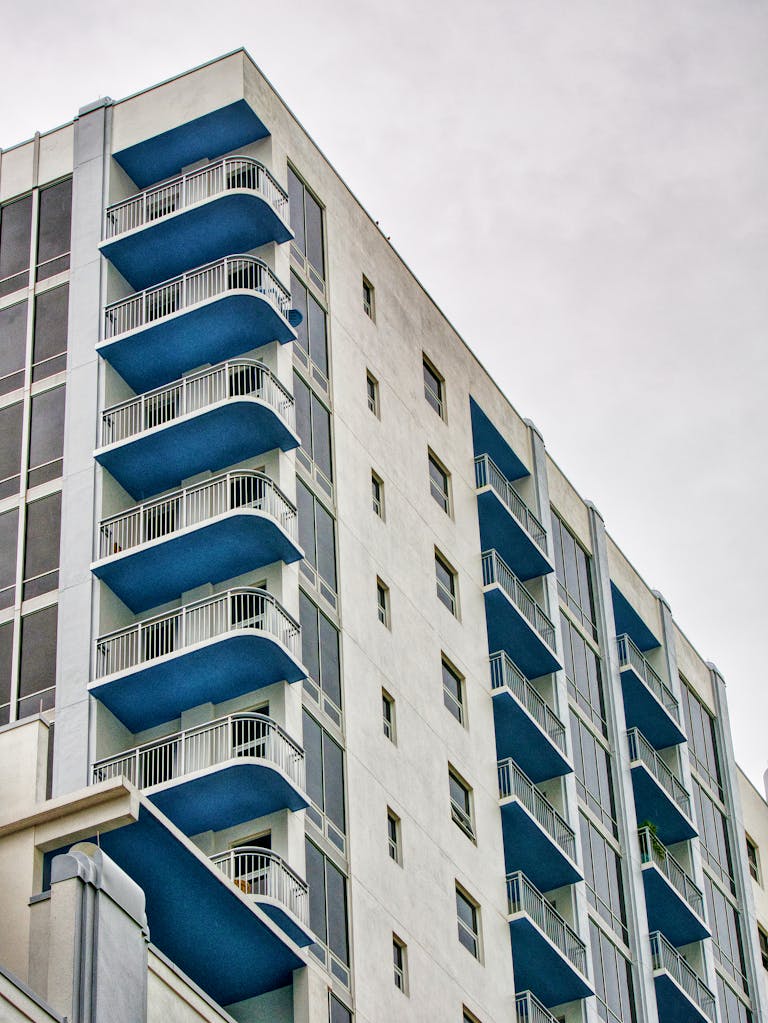
The most immediate and visible consequence of increased demand is the sharp rise in both property purchase prices and monthly rental rates. As more individuals and families seek to establish roots on the Space Coast, the competition for available homes intensifies. This bidding war, a common feature of any hot real estate market, quickly drives up costs. Homes that were once within reach for the average aerospace worker have become aspirational targets, requiring significant financial commitment. Similarly, rental units, from modest apartments to more spacious houses, are commanding premiums, stretching the budgets of many.
The Median Income Disconnect
A significant driver of the housing affordability crisis is the widening gap between the median income of aerospace employees and the median housing costs in the region. While aerospace jobs are often associated with competitive salaries, the rapid appreciation of housing prices has outpaced wage growth for a substantial portion of the workforce. This disconnect means that even with a stable job and a steady income, the dream of homeownership or even settling into a comfortable rental can feel like trying to catch moonlight in a sieve.
Limited Housing Stock and Development Lag
The pace of new housing development often struggles to keep up with the demand generated by rapid industrial expansion. The construction of new homes, from single-family residences to multi-unit complexes, is a complex and time-consuming process. Zoning regulations, availability of suitable land, and the sheer logistical challenge of building at scale contribute to a lag in the supply of new housing units. This imbalance between a rapidly growing population of workers and a comparatively slower growth in housing inventory acts as a bottleneck, further exacerbating price pressures.
The “Hidden” Costs of Relocation
For many aerospace professionals, relocation to the Space Coast is a necessity driven by job opportunities. However, the cost of moving itself, coupled with the immediate need to secure housing in a high-cost market, can present a significant financial hurdle. This goes beyond just the price of rent or a down payment; it includes moving expenses, setting up utilities, and the potential for temporary housing costs while permanent arrangements are finalized. This initial financial strain can be a formidable barrier to entry for talented individuals.
Types of Housing Challenges Faced by Aerospace Employees
The housing challenges on the Space Coast are not monolithic; they manifest in various forms, impacting different segments of the aerospace workforce in distinct ways. Understanding these nuances is crucial for developing effective solutions.
The Entry-Level Professional’s Dilemma
For young professionals just starting their careers in the aerospace sector, the housing market can feel like an insurmountable obstacle. Their initial salaries, while promising, may not be sufficient to contend with rising rental costs or the substantial down payments required for homeownership. This can force them into less desirable living situations, longer commutes, or even necessitate them living further afield, impacting their work-life balance and overall experience on the Space Coast.
Mid-Career Professionals and Family Needs
As aerospace employees progress in their careers, their housing needs often evolve. They may require larger homes to accommodate families, access to good school districts, and a desire for more established neighborhoods. However, the increased demand and inflated prices can make it difficult to trade up to suitable family housing without drastically increasing their housing expenditure, potentially impacting their ability to save or invest for the future.
The Housing Precariousness of Contract and Temporary Workers
The aerospace industry, by its nature, often relies on contract and temporary workers to fill specialized roles or meet project deadlines. These individuals, while vital to operations, often face a unique set of housing challenges. Their employment is inherently less stable, making it difficult to secure long-term leases or obtain mortgages. They might be forced to rely on short-term rentals or less secure housing options, contributing to a sense of instability and hindering their ability to fully integrate into the community.
The Impact on Retention and Recruitment
The difficulty in finding affordable and stable housing can cast a long shadow over the Space Coast’s ability to attract and retain top talent. Prospective employees may opt for opportunities in regions with more manageable housing markets, and current employees experiencing severe housing affordability issues may seek employment elsewhere. This creates a revolving door effect, impacting project continuity and the overall strength of the aerospace workforce.
Factors Contributing to the Housing Crunch
Influx of High-Wage Earners and Investors
The growth of the lucrative aerospace industry has attracted not only skilled workers but also individuals with significant disposable income and real estate investors. These groups can often outbid local workers for properties, driving up prices. Investors, in particular, may purchase properties with the sole aim of renting them out at market rates, further reducing the availability of owner-occupied homes and driving up rental costs.
Limited Supply of Entry-Level and Workforce Housing
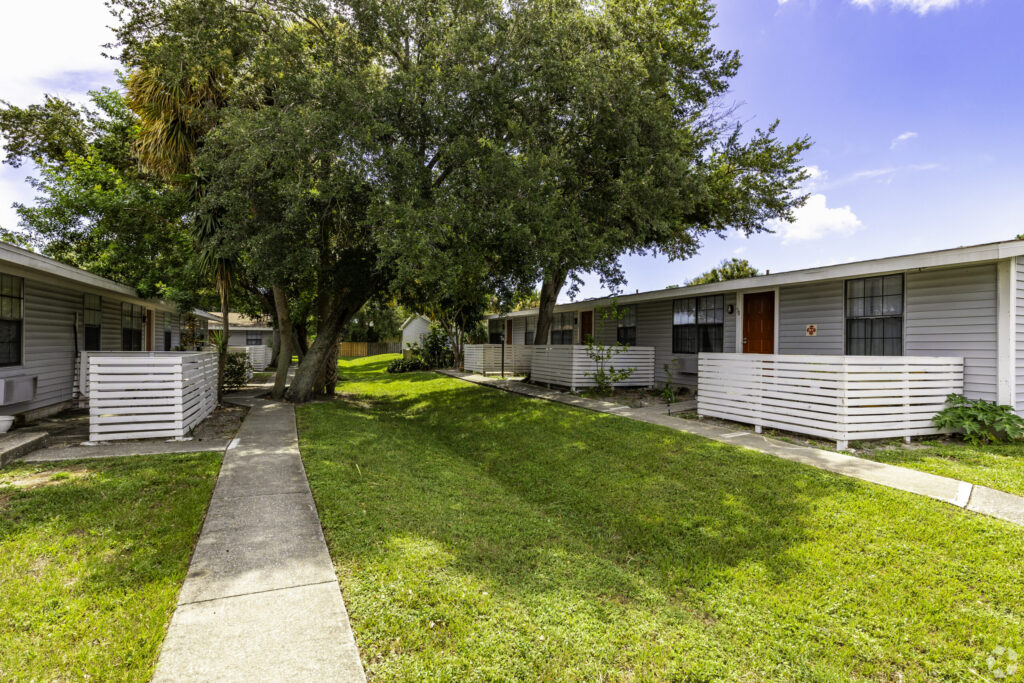
There has historically been a significant underinvestment in the development of housing specifically designed for entry-level workers and the broader workforce. The focus has often been on higher-end properties, leaving a gap in the market for more affordable and attainable housing options that align with the incomes of many essential aerospace employees.
The “Not In My Backyard” (NIMBY) Phenomenon
While the need for more housing is evident, proposals for new development, particularly for denser or more affordable housing options, can sometimes face opposition from existing residents. Concerns about traffic, infrastructure strain, and neighborhood character can lead to delays or outright rejection of much-needed housing projects, effectively putting up roadblocks to expansion.
Zoning Laws and Land Use Regulations
Existing zoning laws and land use regulations, while designed to ensure orderly development, can sometimes inadvertently restrict the type and density of housing that can be built. Revisiting and updating these regulations to encourage a wider range of housing typologies and promote more efficient land use could be a crucial step in addressing the supply shortage.
Potential Solutions and Mitigation Strategies

Public-Private Partnerships for Affordable Housing Development
Fostering partnerships between government entities and private developers can be a powerful engine for creating affordable housing. This could involve incentives for developers to include affordable units in new projects, streamlined permitting processes for affordable housing initiatives, and the utilization of public land for affordable housing development. This synergy can help bridge the gap between market forces and the community’s need for accessible living.
Incentivizing Workforce Housing Projects
Local governments can implement a range of incentives to encourage the development of housing specifically aimed at the workforce. This could include property tax abatements for developers who build workforce housing, density bonuses for projects that include a significant percentage of affordable units, and the creation of dedicated funds to support affordable housing initiatives. These measures act as a lubricant, easing the friction of development for projects that serve the community’s most pressing needs.
Exploring Innovative Housing Models
Beyond traditional single-family homes and apartment complexes, exploring innovative housing models can offer viable solutions. This could include:
Accessory Dwelling Units (ADUs): Encouraging the development of ADUs in existing neighborhoods can provide a flexible and often more affordable housing option.
Co-living and Shared Housing: In certain contexts, co-living arrangements can offer a more cost-effective way for individuals to access housing, particularly for younger professionals or those new to the area.
Modular and Prefabricated Housing: These construction methods can sometimes reduce building costs and accelerate the delivery of new housing units.
Strengthening Employer-Assisted Housing Programs
Aerospace companies themselves can play a proactive role in helping their employees navigate the housing market. This could involve:
Down Payment Assistance Programs: Providing financial assistance to employees seeking to purchase homes can significantly reduce the upfront financial burden.
Rental Assistance or Subsidies: For employees struggling with rental costs, direct assistance or subsidies can make housing more attainable.
Partnerships with Developers: Companies could partner with developers to create dedicated housing communities or secure blocks of units for their employees. This proactive approach can act as an anchor, providing a sense of security for their workforce.
Policy Reforms and Regulatory Streamlining
A fundamental reimagining of existing policies and regulations could unlock new possibilities for housing development. This includes:
Zoning Reform: Revisiting and updating zoning ordinances to allow for greater housing diversity, including increased density in appropriate areas and the development of mixed-use projects.
Expedited Permitting Processes: Streamlining the permitting and approval processes for housing developments, particularly those focused on affordable and workforce housing, can significantly reduce project timelines and costs.
Incentives for Inclusionary Zoning: Implementing policies that require a certain percentage of affordable units in new market-rate developments can ensure that growth benefits all segments of the community.
Infrastructure Investment to Support Growth
As housing options expand, so too must the underlying infrastructure. This includes:
Transportation Enhancements: Investing in public transportation, improved road networks, and pedestrian-friendly infrastructure can help alleviate congestion and make housing further afield more accessible.
Utilities and Services: Ensuring that new housing developments have adequate access to water, wastewater, and other essential utilities is crucial for sustainable growth.
Community Amenities: Investing in parks, recreational facilities, and other community amenities can enhance the quality of life and make the Space Coast a more attractive place to live and work.
Fostering Community Dialogue and Collaboration
Ultimately, finding sustainable housing solutions requires a collaborative effort. Open and honest dialogue between all stakeholders – including aerospace employees, employers, developers, local government officials, and community members – is essential. This shared understanding can pave the way for creative solutions and a unified vision for the Space Coast’s future.
The Space Coast’s journey to the stars is an inspiring testament to human ingenuity. However, to ensure this journey is sustainable and inclusive, the foundation must be solid. The housing challenges faced by its aerospace employees are not just individual struggles, but a collective imperative that demands thoughtful action. By addressing these issues proactively and collaboratively, the Space Coast can continue to be a beacon of innovation, offering not only the opportunity to reach for the stars but also a place to call home.
FAQs
What types of housing options are available for Space Coast aerospace employees?
Space Coast aerospace employees have access to a variety of housing options including apartments, single-family homes, townhouses, and condominiums. Many communities near major aerospace employers offer rentals and homes for purchase to accommodate different preferences and budgets.
Are there any employer-sponsored housing programs for aerospace workers on the Space Coast?
Some aerospace companies and related organizations on the Space Coast may offer housing assistance programs, such as relocation support or partnerships with local housing providers. However, employer-sponsored housing is not universally available and varies by company.
What is the average cost of housing for aerospace employees in the Space Coast area?
Housing costs on the Space Coast vary depending on location, size, and type of property. As of recent data, average rental prices for apartments range from $1,200 to $2,000 per month, while home prices typically range from $250,000 to $400,000 or more, depending on the neighborhood.
How close is the housing to major aerospace employers on the Space Coast?
Many housing communities are located within a reasonable commuting distance to major aerospace employers such as NASA’s Kennedy Space Center, SpaceX, and Boeing facilities. Popular residential areas include Titusville, Cocoa Beach, Melbourne, and Palm Bay, all within 15 to 30 minutes of key aerospace sites.
Are there any amenities or community features that cater specifically to aerospace employees?
While there are no housing developments exclusively for aerospace employees, many communities near aerospace hubs offer amenities such as shuttle services, flexible lease terms, and networking events that cater to the needs of professionals working in the aerospace industry.